What to Expect at Your First Cosmetic Dentistry Consultation
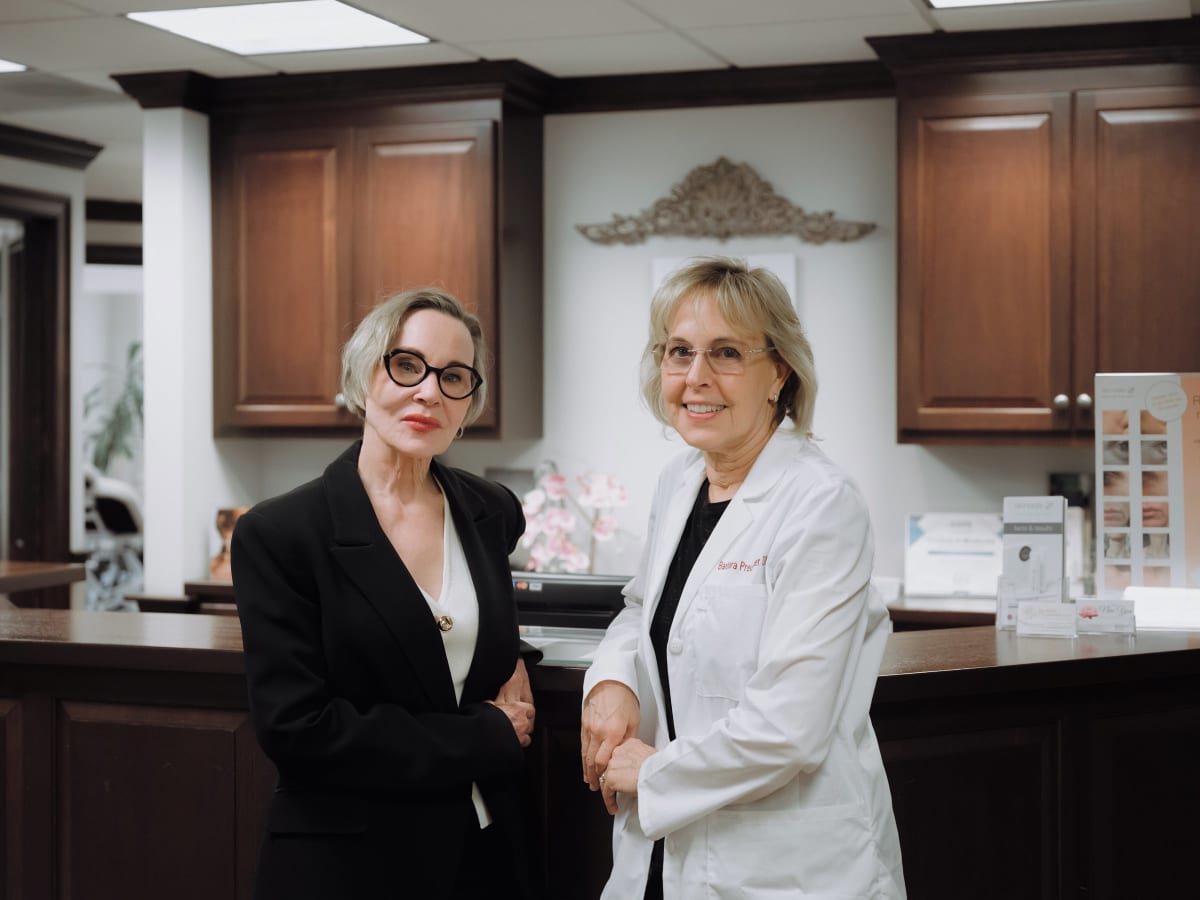
If you're here, you might be used to researching dental care to make sure you know what you're dealing with (and what kind of treatment you're getting into) and we know what that can look like; evenings spent scrolling before-and-after photos, a few smile galleries bookmarked, maybe two or three practice websites open side by side. And still, something might stop you from just picking up the phone. What if the appointment turns into a pitch? What if a treatment plan lands in your lap before you've asked a single question?
A cosmetic consultation at our Holliston practice is just a planning conversation. You talk. We listen. We look at what's going on with your teeth, your gums, and your bite, then tell you what's realistic. Nothing gets recommended before we understand what you want and what your mouth can support. That conversation might point toward cosmetic dentistry like veneers or whitening, toward Invisalign if alignment is part of the picture, or toward restorative care if there's damage to address first.
To talk it through before you book, call (508) 429-7125. Otherwise, read on to learn more about what to expect at your first cosmetic dentistry consultation.
What to know before you book
- A complimentary cosmetic consultation at Barbara Preussner in Holliston is a focused conversation and a visual look at your smile, not a full diagnostic exam. No X-rays, no gum measurements.
- The conversation comes first. You'll describe what you want to change in your own words before anyone looks in your mouth.
- The visual assessment covers your tooth surface, gum health, bite, and any existing dental work. From there, we'll walk through options such as porcelain veneers, professional whitening, or Invisalign based on what we find.
- If something needs to be addressed first, we'll tell you and suggest a separate diagnostic visit before any cosmetic work begins.
- Bring reference photos, a list of questions, and your medication and dental history.
Complimentary consultation vs. full exam: what's the difference
A complimentary consultation at Barbara Preussner in Holliston is a conversation plus a visual look. We talk through what's bothering you, we take a careful look at your smile, and together we figure out whether cosmetic treatment is a realistic path for you. There are no X-rays, no gum measurements, no full diagnostic workup. It's simply the part where we find out if we're a good fit before either of us commits to anything.
A comprehensive exam is a different appointment with a different purpose. That's where the full diagnostics happen: X-rays, gum pocket measurements, and a thorough review of your dental and health history. It's how we go from "veneers might work for you" to a specific, sequenced plan with real numbers attached.
Knowing which one you're scheduling changes how the visit feels. If you arrive expecting a finished treatment plan and a price, a consultation will feel incomplete. If you arrive expecting a conversation about direction, it's exactly what you needed.
When we'll ask you to slow down
Sometimes something surfaces during the consultation that has to be handled first. Active gum disease. A bite that's wearing certain teeth down faster than others. Decay that needs treating before anything cosmetic goes on top of it. When that happens, we'll recommend a separate diagnostic appointment before cosmetic work is planned, and in some cases that means starting with gum disease treatment so the foundation is healthy first.
That isn't us stalling. Porcelain bonded to an unhealthy foundation fails, and it usually fails in a way that costs you more than doing it in the right order would have. Dr. Preussner won't place beautiful work over a problem she can see coming.
The conversation happens before the chair
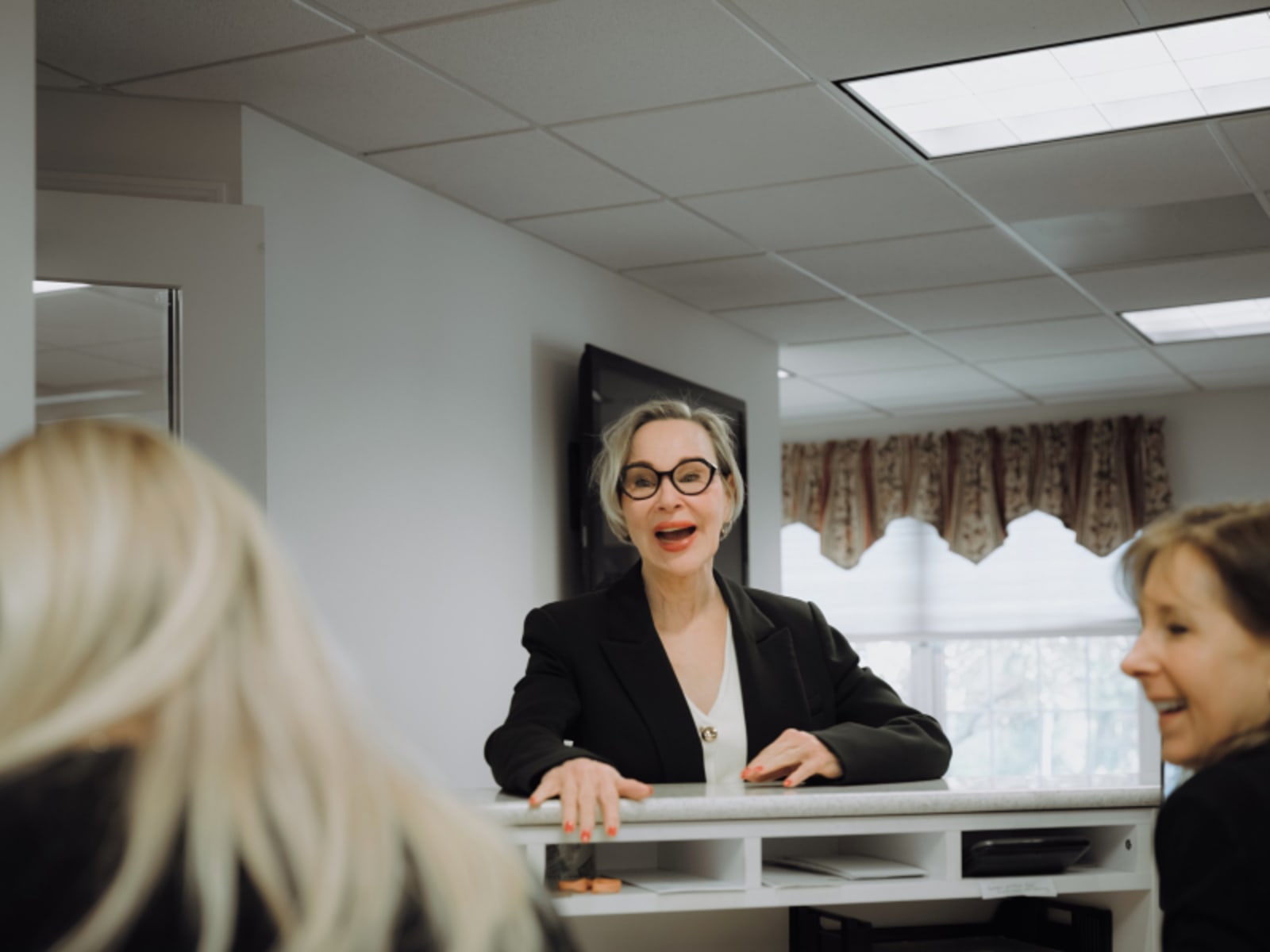
We listen first. That sounds like a nice sentiment until you see how it actually changes a treatment plan.
You'll be asked to describe what you want to change in your own words, and then what's really behind it. Maybe you're stepping into something new professionally and your smile doesn't match where you're headed. Maybe there's a wedding coming and you already know you'll be in every photo. Maybe you've spent years doing the closed-lip smile without ever saying out loud why.
Those details actually shape the treatment plan. "I want whiter teeth" and "I've hated my smile in photos for a decade" can lead to completely different plans. One might be a whitening conversation and nothing more. The other might look at tooth shape, proportion, how much tooth shows when you smile naturally, and even how your lips move. That kind of case could point toward porcelain veneers or a fuller smile makeover. That's the kind of detail that Dr. Preussner's training at the Dawson Center and Spear Education is built around.
People who've had a frustrating cosmetic experience elsewhere tend to describe the same thing: nobody asked what they actually wanted. When that step gets skipped, the plan may address a clinical finding perfectly and still miss the reason someone picked up the phone. At our Holliston, that first conversation is the appointment. Call (508) 429-7125 to start it.
What we're looking at during the visual assessment
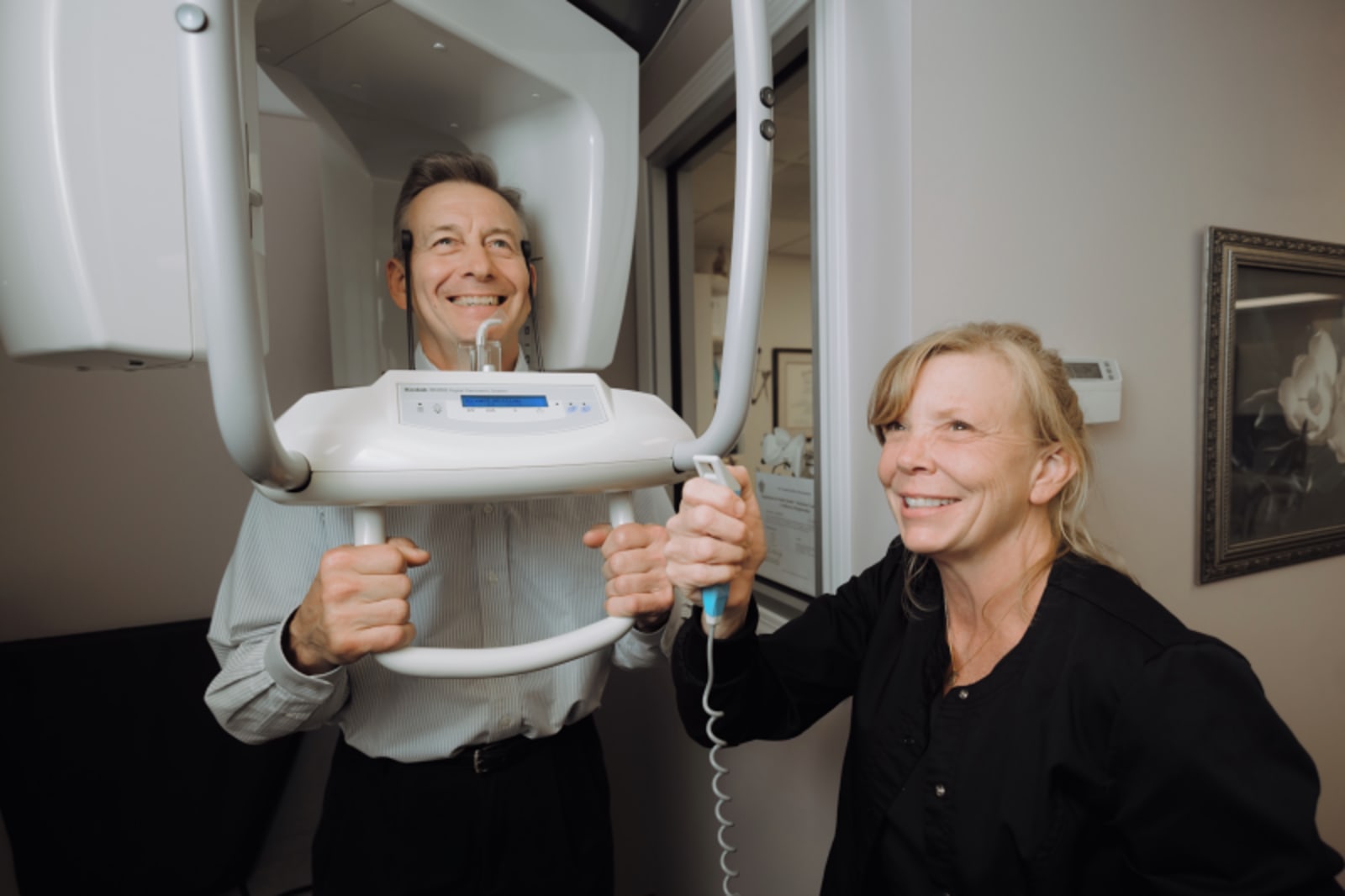
Once the conversation wraps up, we take a close look. Here's what gets checked and why each piece affects what treatment makes sense for you.
Enamel and tooth structure
Whether veneers, bonding, or something more conservative makes sense depends heavily on how much healthy enamel you have. Cosmetic restorations need something solid to bond to. Thin, worn, or eroded enamel doesn't rule out treatment, but it changes the recommendation. A result that looks great on day one and comes loose in two years is not worth doing.
Gum line and tissue health
Your gums frame your smile the way a mat frames a painting. Uneven gum height can undermine even the best-made veneers, and inflamed or receding tissue usually needs to be addressed before cosmetic work begins. Sometimes what a patient thinks is a tooth problem turns out to be mostly a gum line issue, which is why gum disease treatment can come first in a cosmetic plan.
Bite and jaw function
Your bite might seem like a function issue rather than a cosmetic one, but it directly affects how long your results hold up. If your bite puts uneven pressure on certain teeth, any work placed on those teeth is stressed from the start. Dr. Preussner's postgraduate training focused heavily on how teeth come together and on full-mouth planning, which is why the bite gets careful attention even when you came in asking about the color of your front teeth. If jaw discomfort or clenching is part of the picture, TMD treatment may be part of the plan.
Existing dental work
Older crowns, fillings, and previous bonding all factor into what's possible and in what order. Deciding whether to match new porcelain to an existing crown or replace it as part of the plan is often one of the bigger choices in a cosmetic case. Here, replacements can often be handled with same-day crowns.
Your face, not just your teeth
Dr. Preussner is on faculty with the American Academy of Facial Esthetics, and she looks at how your smile fits within your whole face: lip position, how much gum shows, symmetry, and proportion. Teeth that look perfect on their own can look off in a face. That's why she considers smile design and facial esthetics together rather than as separate concerns.
Seeing the result before you commit to it

For bigger cases, we don't ask you to imagine the outcome. We work with our lab technician, Ryan, to create mock-ups so you can actually see what your result could look like before treatment starts. If the shape isn't right, or the length feels like too much, that's the moment to say so. This step is especially useful for porcelain veneers and other cases where the shape and proportion of your front teeth drive the whole result.
Mock-up costs vary depending on how many teeth are involved, and we'll walk you through exactly what's included before anything is ordered. We'll let you know during your consultation whether a mock-up makes sense for your case.
What to bring and how to prepare
A consultation runs on what you bring to it. A little clarity about what you want, what you don't, and what's been nagging at you is plenty.
Reference photos are the single most useful thing. Screenshot smiles you love from anywhere: social media, magazines, our smile gallery. Then save a few you don't like. Knowing that you find very white, very square teeth off-putting tells us as much as knowing you want brighter ones. It gives us a shared visual language in the first ten minutes instead of the third appointment.
A few other things worth writing down before you come in:
- The specific things that bother you, so nothing slips your mind once you're sitting in the chair
- Questions you've been sitting on, however small they feel
- Current medications and relevant dental history, if you're new to us
That last one carries more weight than people expect. Health conditions, medications that cause dry mouth, a history of grinding, past complications with dental work, all of it shapes what we recommend for you specifically.
Come as you are. You don't need your mind made up. Figuring it out together is the entire point of the consultation.
Questions worth asking before you leave
These are decisions you'll see in the mirror every day for years, so the consultation room is exactly the right place to find out whether your trust is well placed. A dentist who is confident in their work welcomes questions. If someone dismisses yours or gives vague answers, that tells you something important.
- How many cases like mine have you treated? Ask about your specific situation, not cosmetic dentistry in general.
- Can I see before-and-after photos of similar cases? Real patient photos from the practice show you the dentist's eye for detail and the kind of results they actually deliver.
- What training do you have in this kind of work? Cosmetic dentistry is not a recognized specialty, so advanced continuing education matters. Our team brings post-graduate training from the Dawson Center for Advanced Dental Study and Spear Education, and leads a monthly Spear Study Group.
- What happens if I'm not happy with the result? A dentist with experience in this work will have a straightforward answer ready.
- What's the upkeep on this? Some results need ongoing care and eventual replacement. You should know that upfront, not six months later.
- What will this cost, and how do people typically handle it? Fees depend on the plan, so we walk through them once we know what we are proposing, along with the payment options available to you.
Bring a written list. Take notes. Ask the follow-up question. We run an independent, fee-for-service practice, so treatment decisions stay between you and your dentist.
When you're ready
Not knowing what you're walking into is a completely reasonable reason to put off a call. That's exactly why we'd rather walk you through this first visit than let you show up guessing.
Nobody hands you a treatment plan on your way out the door. What you leave with is a clear picture of what's realistic for your situation, the options available, and what would need to happen first, whether that involves cosmetic work like veneers or whitening, restorative treatment such as crowns, or something else. Whether you move forward is entirely your decision.
If that's the kind of conversation you've been looking for, call our Holliston office at (508) 429-7125, or send us a message and we'll reach out.
