Invisalign for Adults Over 40: Does It Really Work?

Invisalign for Adults Over 40: Does It Really Work?
The short answer is yes. Age is not what decides whether Invisalign can work for you. What matters is the complexity of your case and the experience of the person planning it. Adults in their forties, fifties, and sixties complete treatment successfully all the time, including people dealing with teeth that shifted back after teenage braces or have slowly crowded over the years.
This guide covers the questions Dr. Preussner hears most often: what actually predicts a good result, what realistic timelines look like, how existing dental work affects the plan, and how to choose a provider you can trust. If you already know you want to talk it through, we are here for that too.
Call us today for a consultation at (508) 429-7125.
What This Guide Covers
- What actually predicts a good result at any age
- Why teeth shift in your 30s, 40s and 50s
- When crooked teeth become a health issue
- What a proper candidacy exam looks like
- How Invisalign, braces and veneers compare
- Straightening around crowns, implants and gum disease history
- Realistic timelines and what day-to-day treatment feels like
- Retainers and how to avoid a second relapse
- How to choose a provider and what to ask
Does Invisalign Really Work for Adults Over 40? The Honest Answer
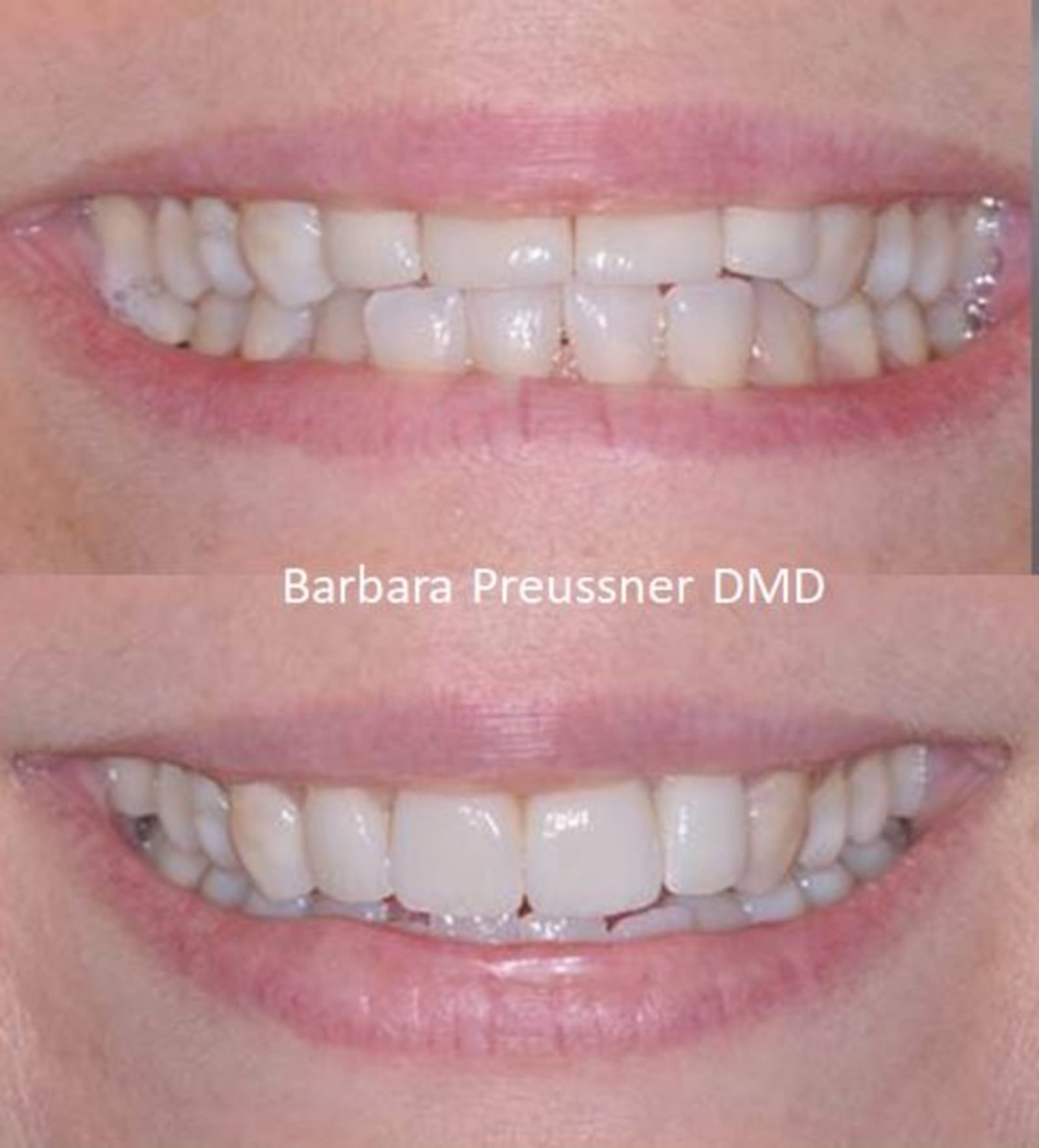
Yes, and age is not the deciding factor. The process is the same at 47 as at 17: gentle pressure moves the tooth, and the surrounding bone gradually shifts with it. Adult bone is denser, so treatment can run a little longer than a teen case, but slower is not the same as impossible.
What actually predicts success is how much movement is needed and how carefully the case is planned. Crowding, spacing, tipped teeth, and relapse after previous braces are exactly what aligners handle well. Cases involving jaw alignment at the bone level may need braces or a specialist instead.
Adults also bring a real advantage to treatment: compliance. Aligners need to be worn 20 to 22 hours a day, and someone who chose this deliberately tends to wear them. That habit alone moves more cases across the finish line than any technology feature.
Why Teeth Shift in Your 30s, 40s and 50s (Including Orthodontic Relapse)
The Retainer That Ended Up in a Drawer
This is the most common story we hear. Braces came off at sixteen, the retainer was worn nightly for a while, then weekly, then forgotten. Teeth begin drifting back toward their original positions within months of stopping, and thirty years of small drift adds up to a noticeably different smile.
Teeth Naturally Drift Forward Over Time
Even people who never had braces see their lower front teeth crowd as they age. Teeth slowly migrate forward and inward throughout adulthood, gradual enough that you don't notice year to year but obvious when you compare a photo from your twenties.
Tooth Loss and Neighboring Teeth
When a tooth is removed and not replaced, the teeth beside it tilt into the gap and the tooth above or below can drift into the empty space. One missing molar can shift a whole section of your bite over a decade.
Wear, Grinding and a Changing Bite
Years of clenching or grinding wear down the biting surfaces and edges. As tooth height changes, the way your teeth meet changes too, and they shift to find a new resting position. Chipped or uneven front edges are often the visible sign of this.
Gum and Bone Changes
Gum disease (periodontitis) reduces the bone support around teeth. With less support, teeth become looser and can flare out or develop new gaps. If a front tooth seems to be shifting on its own, a gum check is a smart first step.
When Crooked Teeth Are a Health Issue, Not Just a Cosmetic One
Plenty of people pursue straightening because they don't like how their smile looks. That's a perfectly good reason. But crooked teeth in adulthood can also carry real health consequences that build up slowly.
- Uneven wear. When teeth don't meet evenly, a few teeth take on force that should be shared across many. Those teeth wear flat and become more likely to chip or fracture over time.
- Cleaning difficulty and gum disease. Crowded and overlapped teeth create spaces a brush and floss simply can't reach. Plaque that stays put causes inflammation, and inflammation over years leads to bone loss around the teeth.
- Gum recession on crowded teeth. When a tooth is pushed too far forward, the gum tissue covering it becomes thin and starts to pull back, exposing more of the root.
- Bite strain and jaw symptoms. An uneven bite can cause muscle fatigue, morning soreness, headaches and jaw joint discomfort. Jaw joint problems (TMD) have several causes, but bite alignment is always worth checking.
- Restorations that keep failing. If a crown or filling in the same spot keeps breaking, the amount of force hitting that tooth is usually the reason, not the material itself. Fixing alignment addresses the cause rather than repeatedly patching the result.
How Adult Candidacy Is Actually Assessed: Records, Imaging and the Bite Exam
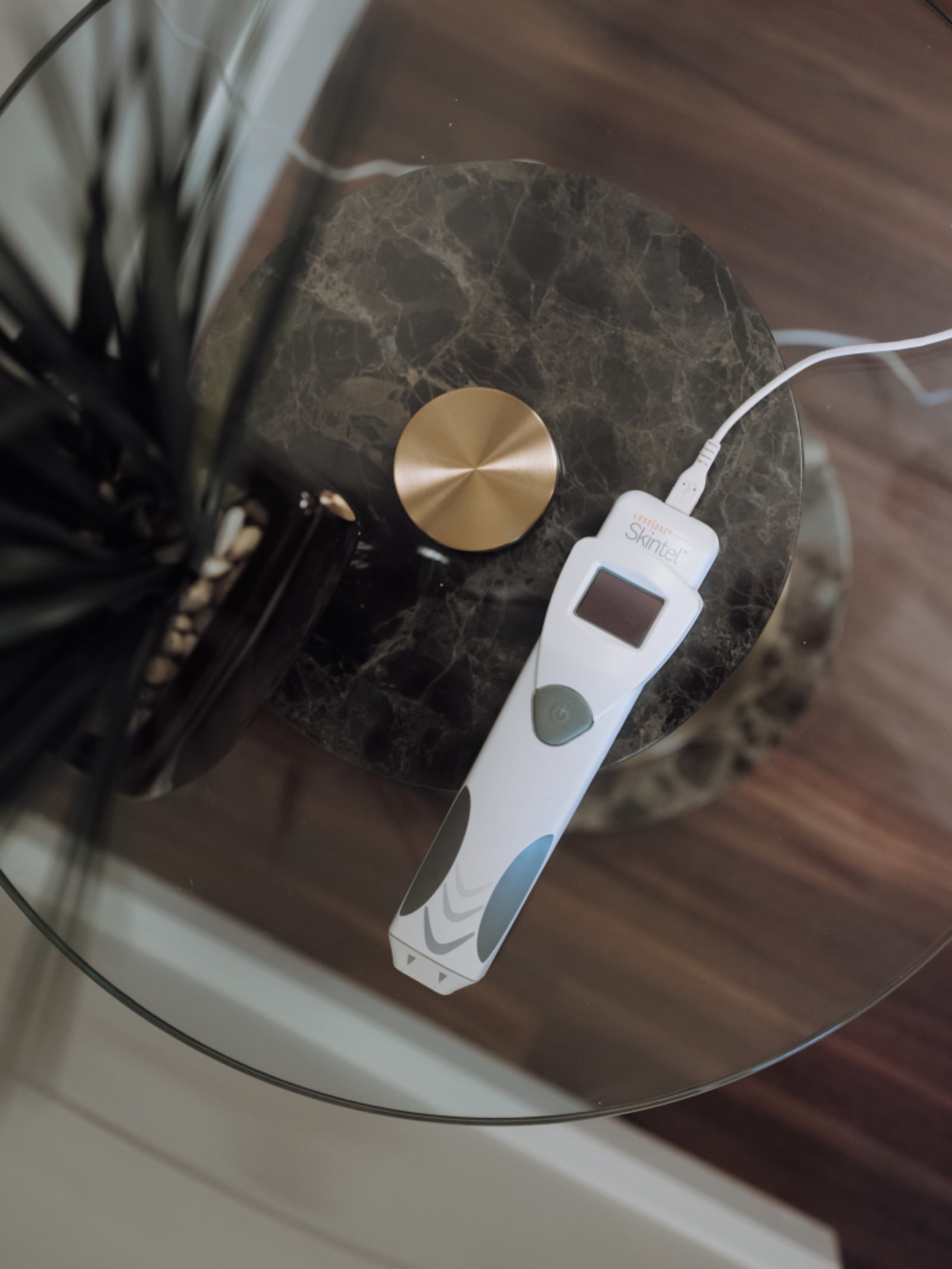
A responsible answer to "am I a candidate?" cannot come from a glance in your mouth or an emailed photo. Adult mouths carry history, and the workup at Barbara Preussner DMD in Holliston is designed to find it before any tooth moves.
History and Goals
Previous orthodontics, extractions, injuries, grinding habits, medications and medical conditions all matter. So does what you actually want. "Straighter" means different things to different people, and the plan should be built around your specific concern.
Photographs and Digital Scans
A full photographic series and a digital scan of both arches create the three-dimensional record used to plan movement. The scan also becomes your baseline for comparison later, which is how tracking problems get caught early rather than at the end.
X-Rays
X-rays show what the scan cannot see: bone levels around every tooth, root length and position, hidden decay, old root canals, and where implants or bridge supports sit. A tooth with a shorter or weakened root is managed differently from one with full support.
Periodontal and Bone Evaluation
Dr. Preussner checks for gum inflammation, bleeding, recession and any tooth looseness. Active gum disease is a real problem when moving teeth because shifting a tooth through inflamed, weakened bone can speed up bone loss. Treated and stable disease is a different matter entirely.
Bite and Jaw Analysis
How your teeth come together, how your jaw joints move, and whether your jaw has to shift to find a comfortable bite all determine whether a straight-looking result will also be stable.
Invisalign vs. Braces vs. Veneers: Which Approach Suits Which Adult
What Each One Can Actually Do
Braces cover the widest range, including severe rotations and significant bite changes. Aligners handle most mild to moderate cases, and many complex ones, when the planning is thorough. Veneers don't move teeth at all; they change the shape, shade, and look of the surface.
Visibility and Daily Life
Aligners are nearly invisible and come out for meals. Braces are fixed and visible throughout. Veneers skip the treatment phase entirely, just a couple of appointments and you're done.
Timeline
Aligners and braces both take months to a couple of years, depending on how much movement is needed. Veneers deliver a finished result in weeks.
What Happens to Your Natural Teeth
Straightening repositions your teeth without touching their structure. Veneers require removing some enamel permanently, so those teeth will always need coverage. They are a great fit for teeth that are worn, chipped, or discolored.
Who Each Option Genuinely Fits
- Aligners: adults with healthy but crowded, spaced or relapsed teeth who want a discreet option and can commit to wearing them consistently.
- Braces: more complex movement, cases involving jaw position, or anyone who knows they won't keep removable trays in reliably.
- Veneers: teeth that need their shape, edges or color rebuilt anyway, often after alignment rather than instead of it.
Straightening Around Crowns, Bridges, Implants and Gum Disease
By midlife most mouths have a history, and that history changes how a case is planned rather than ruling it out. At Barbara Preussner DMD in Holliston, existing dental work is reviewed before any movement is planned.
- Crowns and veneers: Aligner attachments grip porcelain differently than natural enamel. With the right surface preparation it can still be done, and sometimes attachments are simply designed around those teeth instead.
- Bridges: A bridge connects two or more teeth together into one unit, so those teeth move together or not at all. Planning works around that, or the bridge is separated and replaced afterward.
- Implants: An implant is fused to bone and will not move. It becomes a fixed reference point, and every other tooth is planned around it.
- Gum Disease History and Bone Loss: Any active disease has to be treated and stable before movement begins. Teeth with reduced bone support can still be moved, but with gentler forces and closer monitoring.
- Medical Conditions and Medications: Things like autoimmune conditions, diabetes, osteoporosis and certain bone medications all affect how your bone responds to treatment. None automatically excludes you, but all should come up at your consultation rather than midway through.
Realistic Timelines and What Treatment Feels Like Day to Day
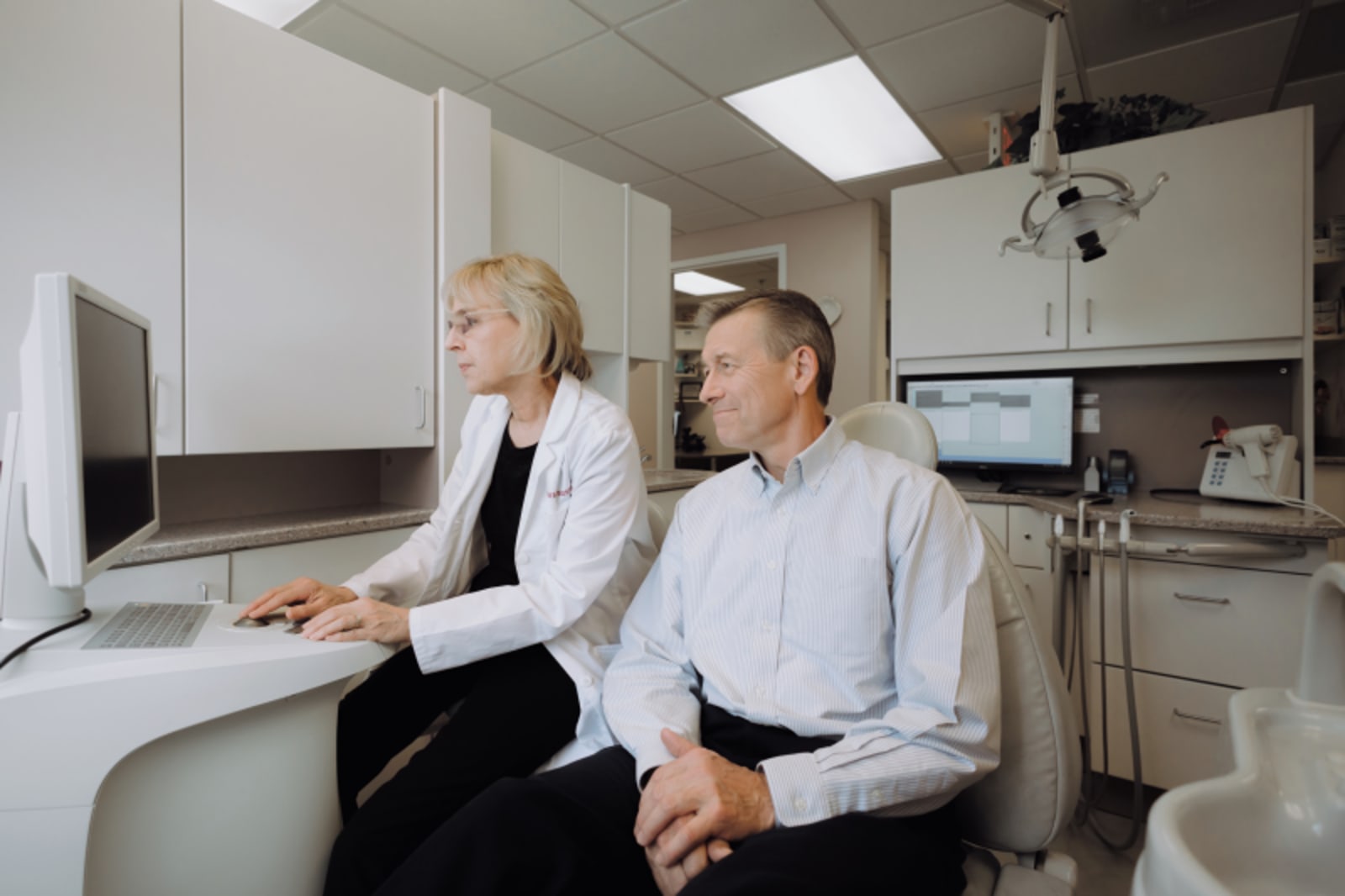
Adult cases commonly run between six months and two or more years. Minor relapse correction sits at the short end. Bite correction, closing spaces, or reorganizing worn-down teeth sits at the long end. Anyone who quotes a firm number before seeing X-rays and a scan is guessing, which is why Dr. Preussner reviews your imaging with you before naming a range.
Why Timelines Extend
The two big reasons are wear time and tracking. If the trays aren't in for the hours you agreed to, movement falls behind the plan and everything after it shifts. Sometimes a tooth simply doesn't follow the projected path even with perfect wear, so the tray no longer seats fully and the sequence needs adjusting. Catching that at a checkup rather than twelve trays later makes a real difference.
Refinements
A second round of trays after the main series is normal, not a failure. Most adult cases include at least one refinement to finish the details.
Attachments and How They Feel
Those small tooth-colored bumps bonded to certain teeth help the tray grip and rotate or upright a tooth. They're barely visible from a few feet away and are polished off at the end.
Speech and Eating
Expect a slight lisp for a few days while your tongue adjusts, then it disappears. Trays come out for everything except water, so meals are normal and snacking becomes less casual.
Soreness and Appointments
Each new tray brings a day or two of pressure and tenderness, strongest the first night, so switching trays before bed helps. Checkups are brief and spaced several weeks apart, with trays given out in batches.
Retention After Treatment: How to Avoid a Second Relapse
Fixed Retainers
A thin wire glued to the back of your front teeth, where it stays permanently. Because it's always there, there's nothing to remember. You do need to floss carefully around it, and it should be checked occasionally, since the bond can loosen quietly and let a tooth start to drift.
Removable Retainers
These are clear or wire retainers you wear on a schedule, usually full-time at first and then just at night. They're easy to clean but also easy to lose, and they only work if you actually wear them. Many adults do best with both options: a fixed wire behind the lower front teeth and a removable retainer worn at night on top.
How Long Is "Long Enough"
Honestly, indefinitely. Teeth shift throughout your life, so wearing a retainer at night becomes a permanent habit, one that takes only seconds. Removable retainers do wear out over time and will need replacing. At Barbara Preussner DMD in Holliston, we plan out your retention with you before treatment begins, so the cost and schedule are never a surprise.
How to Choose a Provider and the Questions Worth Asking
The most common regret we hear from adults about aligner treatment isn't the treatment itself. It's realizing afterward that they chose the provider without much thought. The aligner brand is the same everywhere. The clinical judgment behind your case is not.
What Separates Real Experience From an Add-On Service
A provider who has planned many adult cases spots problems early when a tooth isn't moving as expected, knows which movements need extra help, understands how your bite shifts during treatment, and knows when a case belongs with a specialist or surgeon instead. Being willing to refer you out is a sign of a good provider, not a limited one.
Questions Worth Asking at Any Consultation
- How do you evaluate my bite and jaw joints, not just my front teeth?
- What will you do if my teeth stop following the plan?
- Are refinements included, and how many do you typically expect for a case like mine?
- What retainers do I get at the end, and are they part of the fee?
- Which cases do you refer to a specialist, and is mine one of them?
- Can I see a preview or mock-up before I commit?
Where Our Training Comes In
Dr. Preussner has completed extensive postgraduate training with the Dawson Center for Advanced Dental Study and Spear Education, leads a monthly Spear Study Group, and serves as an instructor and faculty member with the American Academy of Facial Esthetics. For complex cases, we also work with our lab technician, Ryan, to build mock-ups so you can see your result before treatment begins.
How Straightening Fits Into a Larger Smile and Health Plan
- Gum health comes first. Your gums and bone need to be stable before any tooth movement begins. Healthy gums protect everything that comes after.
- Whitening usually comes after. Once your teeth are in their final positions, whitening shows you the true finished shade before you decide on any further cosmetic work.
- Bonding or veneers to finish the edges. Straightening moves teeth into place but does not rebuild worn or chipped edges. Bonding, or veneers where the damage is more significant, takes care of shape and proportion afterward.
- Restorative work fits the new bite. Crowns, bridges and implants placed after alignment are built to fit your corrected bite, not the old one.
- Jaw and muscle symptoms are part of the plan. If you have jaw joint soreness, muscle tension or related headaches, those are managed alongside your treatment rather than set aside as a separate issue.
- Facial esthetics as the finishing touch. Your lips, smile line and facial proportions all frame your teeth. Dr. Preussner's work with the American Academy of Facial Esthetics and her medical aesthetics practice means those conversations can happen in the same place.
Talk It Through With Us
Most adults who eventually straighten their teeth spent years thinking about it first. If that sounds familiar, the most helpful next step is a real conversation about what your smile actually needs: your history, your bite, your gums, and what you want to change.
Dr. Preussner and our team are at 479 Washington Street in Holliston. Call (508) 429-7125 whenever you're ready.
